

Are Your Soils Ready for El Niño or La Niña?
Building Climate-Resilient Farms Starts from the Ground Up
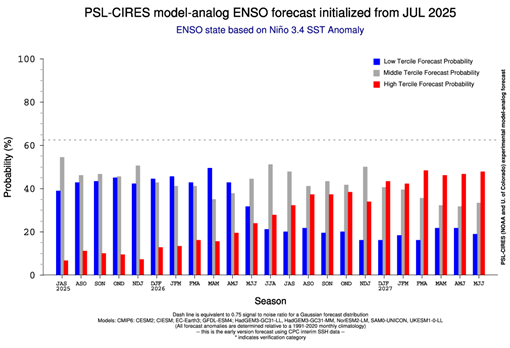
Currently we are experiencing a La Niña weather phenomenon and moving into a neutral phase.
However, according to the latest forecast one can see that they are forecasting the development of a strong El Niño phenomenon from August 2026 onwards.
Extreme weather events, such as extended drought and heavy precipitation, are out of landowners’ and growers’ control; but through effective soil health management systems, farmers can better manage how they prepare for and react to these circumstances.
Healthy Soils Are the Foundation of Resilient Farms
Soil Health Matters
Healthy, well-managed soils can both absorb excess water and retain moisture when it is scarce. This natural resilience is built through years of good soil care and smart management practices.
La Niña: During heavy rains (Southern Africa)
- Soils rich in organic matter act like sponges – they absorb more water, reducing surface runoff, flooding, and erosion.
El Niño: During drought (Southern Africa)
- Those same soils hold onto precious moisture longer, helping crops survive extended dry periods and heat stress.
Steps to Strengthen Your Soil’s Resilience Before Extreme Conditions Occur
- Increasing soil organic carbon
Incorporating green manure crops, adding compost, or adding well-matured animal manure improves soil structure and water-holding capacity. Organic soil carbon can store up to 10 times its weight in water. Every 1% increase on soil carbon can increase soil moisture holding capacity by up to 200 000 lt of moisture per hectare and supply up to 30 kg of nitrogen for crops.
- Grow cover crops
They protect bare soil, reduce erosion, and feed soil life. Cover crops can be used as a source of food for soil microorganisms (bacteria, fungi, and other soil life) that build soil structure. This also creates habitat for the macrofauna, like earthworms, that make larger soil pores for water to drain so that it does not pond on the surface and run-off, causing erosion and harming aquatic life.
- Crop rotation
Build a strong crop rotation system that includes cover crops helps sequester carbon, improve soil health, and reduce water usage.
- Animal Factor
Introduce an animal factor to your cropping operation if possible.
- Reduce tillage
Minimising disturbance helps preserve soil structure and beneficial organisms.
- Improve drainage and water harvesting
Balance water flow during both floods and droughts.
- Test your soil regularly
Monitor organic carbon, pH, and compaction levels to guide management decisions.
- Water Management and Irrigation Efficiency
Satellite imagery and soil moisture sensors are just a few examples of technologies that help farmers manage water resources more efficiently.
The Bottom Line
Preparing your soil today means stronger crops, fewer losses, and more sustainable farming tomorrow. As weather patterns swing between El Niño and La Niña, soil health is the key to staying productive – no matter what nature brings.
Do not wait for the next extreme event — prepare your soils now.
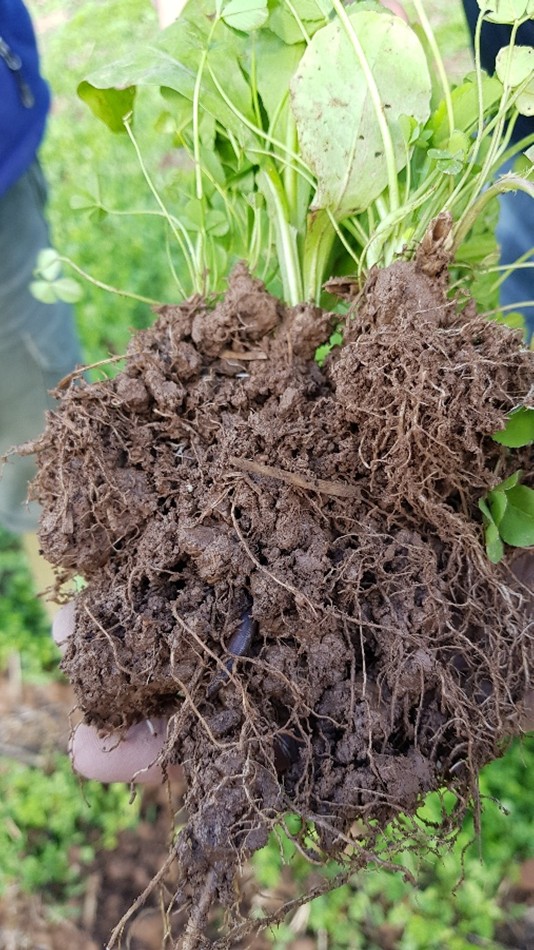
Healthy, productive soil rich in carbon and soil life. Well drained with excellent soil moisture holding capacity.